EN
EN TH
TH UK
UK
Guide to Scooter CVT Clutches, Variators & Rollers
The Continuously Variable Transmission (CVT) is at the heart of most modern scooters. It automatically adjusts the gear ratio based on engine speed, allowing for smooth and responsive acceleration. This system includes several key components like the variator, rollers, drive belt, and centrifugal clutch.
CVT Transmission Components
- Variator – Alters pulley diameter to change gear ratio
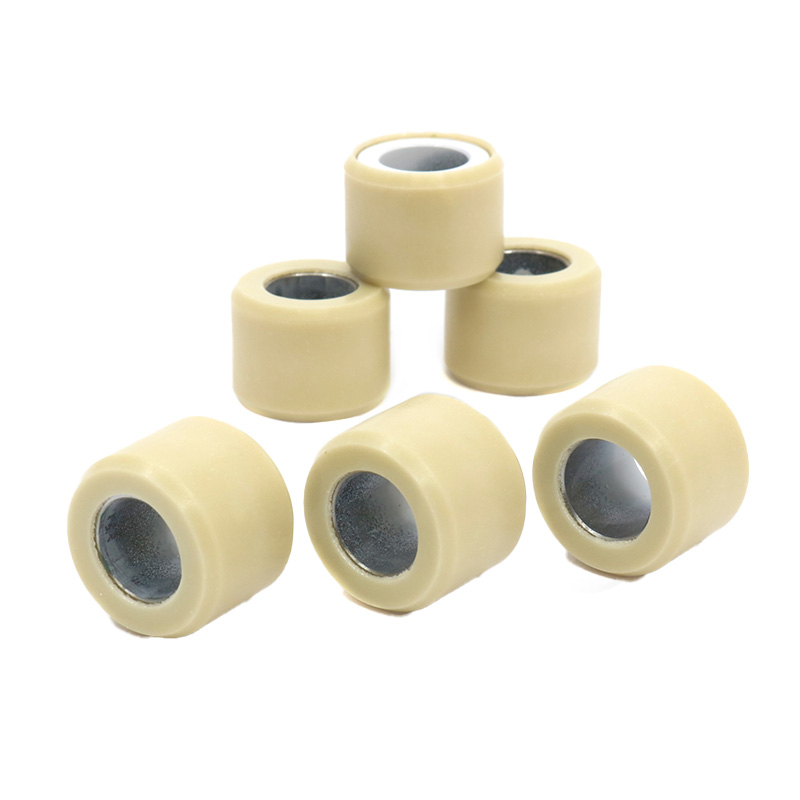
- Rollers/Sliders – Move inside the variator to trigger shifting
- Drive Belt – Transfers power between variator and clutch
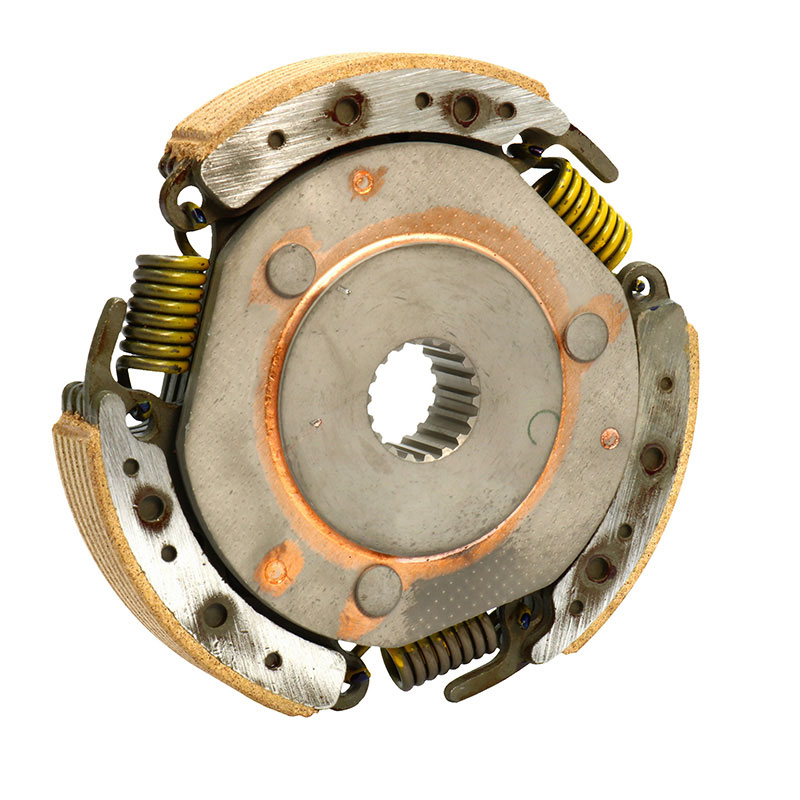
- Clutch Bell & Shoes – Engage the rear wheel
How It Works
As RPMs increase, the variator's rollers are pushed outward by centrifugal force, forcing the pulley halves to close and drive the belt higher—simulating an "upshift." At the same time, the rear clutch gradually engages to transfer power to the wheel.
Variator Rollers vs. Sliders
- Heavier rollers = Better top speed, slower acceleration
- Lighter rollers = Faster takeoff, lower top speed
- Sliders = Smoother shift transitions, longer lifespan
Tip: Sliders are a popular upgrade for riders looking for both performance and durability.
Common Clutch Issues
- High RPM but slow takeoff
- Jerky or delayed acceleration
- Burning smell or belt slipping
- Excessive noise during takeoff
Popular Scooter CVT Upgrades
- Performance variators – For faster and smoother acceleration
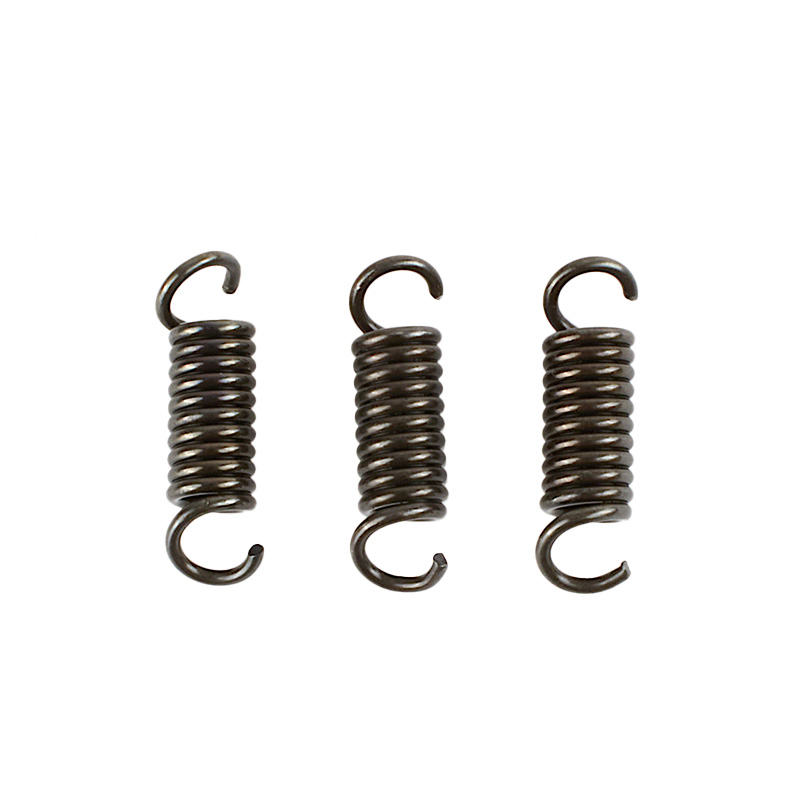
- Clutch springs – Alter the RPM where the clutch engages
- Kevlar belts – Higher strength and heat resistance
- Roller tuning kits – Fine-tune acceleration vs. speed
| Component | Upgrade Benefit |
|---|---|
| Variator | Wider gear range and smoother shift curve |
| Rollers/Sliders | Customize power delivery to suit your riding style |
| Clutch Springs | Delay or quicken engagement for better launches |
| Drive Belt | Stronger belts last longer and resist slippage |
Maintenance Tips
- Inspect belt and rollers every 5,000–10,000 km
- Check for glazing or wear on clutch shoes
- Keep the CVT case clean to reduce heat build-up
- Use OEM or trusted aftermarket parts for replacements
Frequently Asked Questions
Q: How often should I replace the variator rollers?
A: Typically every 5,000–10,000 km depending on use and wear.
A: Typically every 5,000–10,000 km depending on use and wear.
Q: Are sliders better than rollers?
A: Sliders offer smoother operation and better wear, though they cost a bit more.
A: Sliders offer smoother operation and better wear, though they cost a bit more.
Q: What causes belt slipping?
A: Usually a worn or glazed belt, weak springs, or debris inside the CVT case.
A: Usually a worn or glazed belt, weak springs, or debris inside the CVT case.
Shop Scooter CVT Parts
We stock a complete range of CVT components from brands like Yamaha, Piaggio, SYM, Kymco, and Honda. Whether you’re maintaining or tuning for performance, we’ve got you covered.